


Eating or Weight Changes
Reduced appetite, increased appetite, unexplained weight loss, or weight gain.
In-Home Pet Diagnostics
Vetifaction brings appropriate diagnostic testing and sample collection into the home so many dogs and cats can remain in familiar surroundings while we gather the information needed to understand what may be changing.
Useful medical information. A familiar environment. Veterinary guidance on what comes next.

From Symptoms to Answers
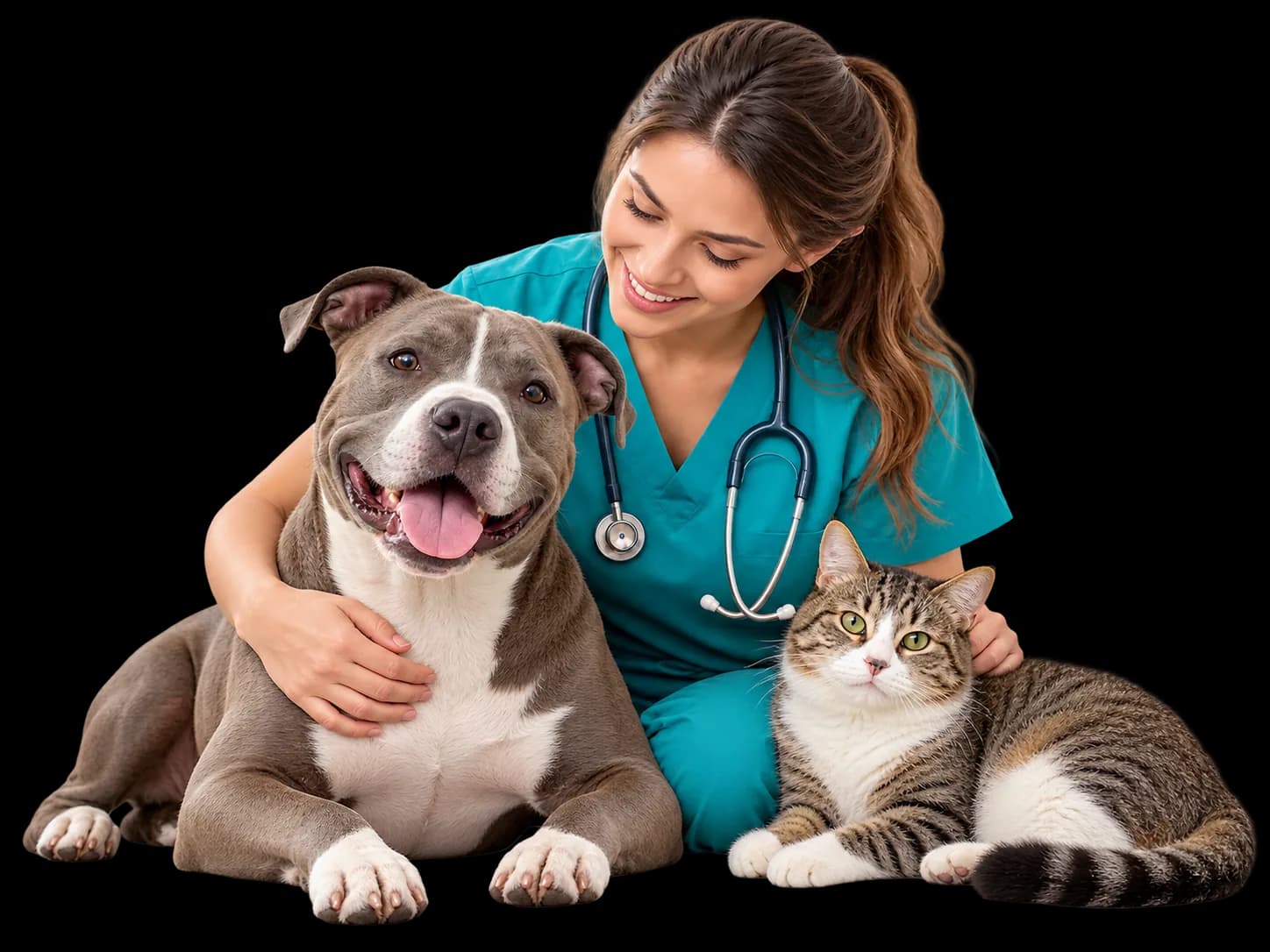
A physical examination can tell the veterinarian a great deal about a pet's condition. But many important changes happen inside the body before they are obvious from the outside. Blood, urine, stool, cytology, imaging, and other diagnostic information can help connect what a family is noticing at home with what may be happening medically.
Testing may be useful when you notice:
Reduced appetite, increased appetite, unexplained weight loss, or weight gain.

Drinking more or less, urinating more often, accidents, or other urinary changes.
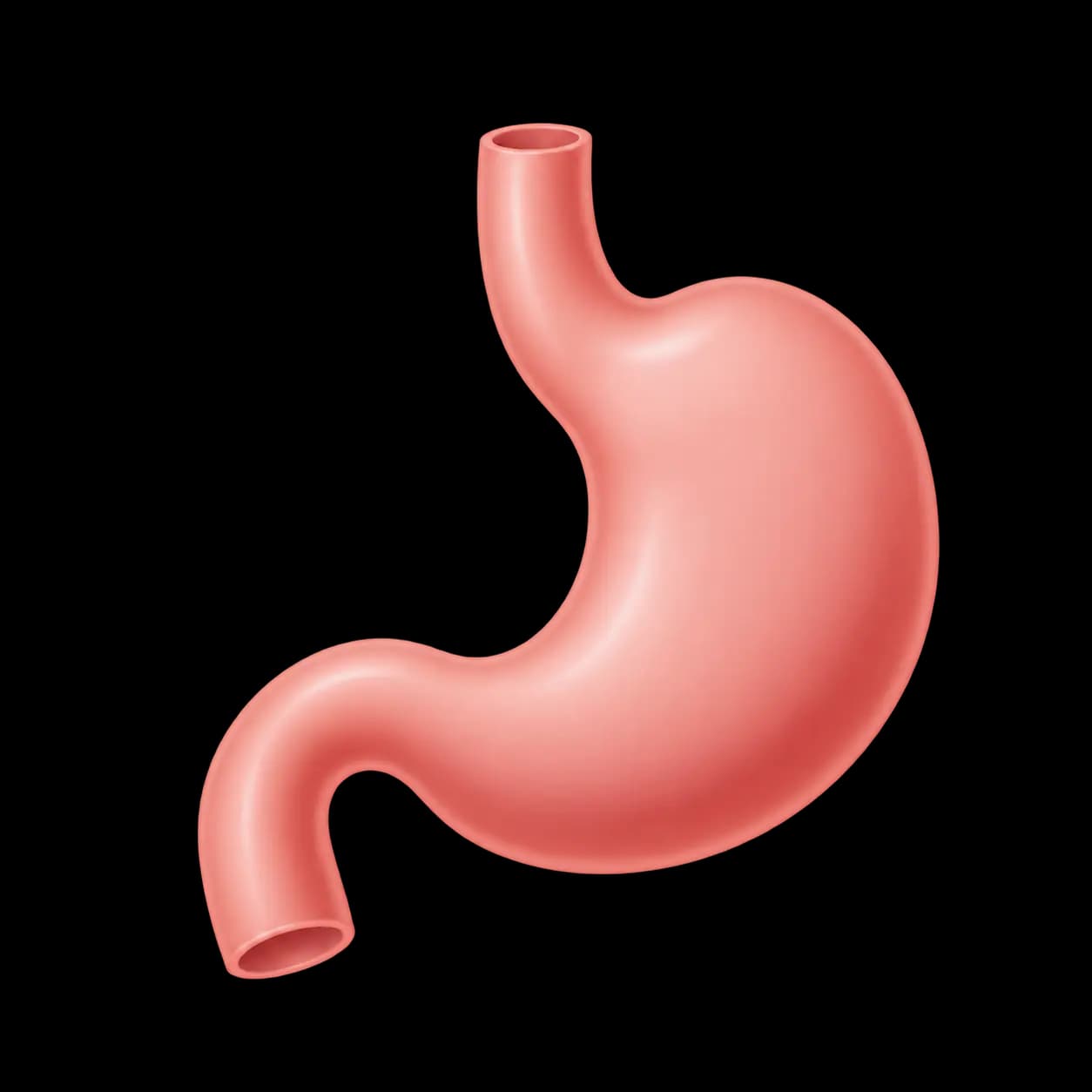
Vomiting, diarrhea, stool changes, or persistent gastrointestinal concerns.

Unusual tiredness, hiding, restlessness, reduced interaction, or a change in normal routine.

Stiffness, difficulty rising, reduced activity, or other changes in movement.

A chronic condition, medication, or previous abnormal result that requires follow-up.
Why Bring Diagnostics Home?
In-home diagnostics are especially useful when travel is stressful, mobility is limited, or a pet needs repeated monitoring. The benefit is not simply convenience; home also gives the veterinary team real-world context about how the pet moves, rests, eats, and functions day to day.

No unnecessary car ride, crowded lobby, or unfamiliar examination room when the needed care can be provided safely at home.

The veterinarian can observe how your pet moves, rests, interacts, and uses their normal environment.

Follow-up testing can be easier for some pets and families when the veterinary team comes to them.

Older, weak, anxious, or mobility-limited pets may tolerate appropriate home-based testing better than repeated travel.
Three Diagnostic Pathways
Comprehensive testing at home for a clearer picture of your pet's health.
Three Diagnostic Pathways
Comprehensive testing at home for a clearer picture of your pet's health.
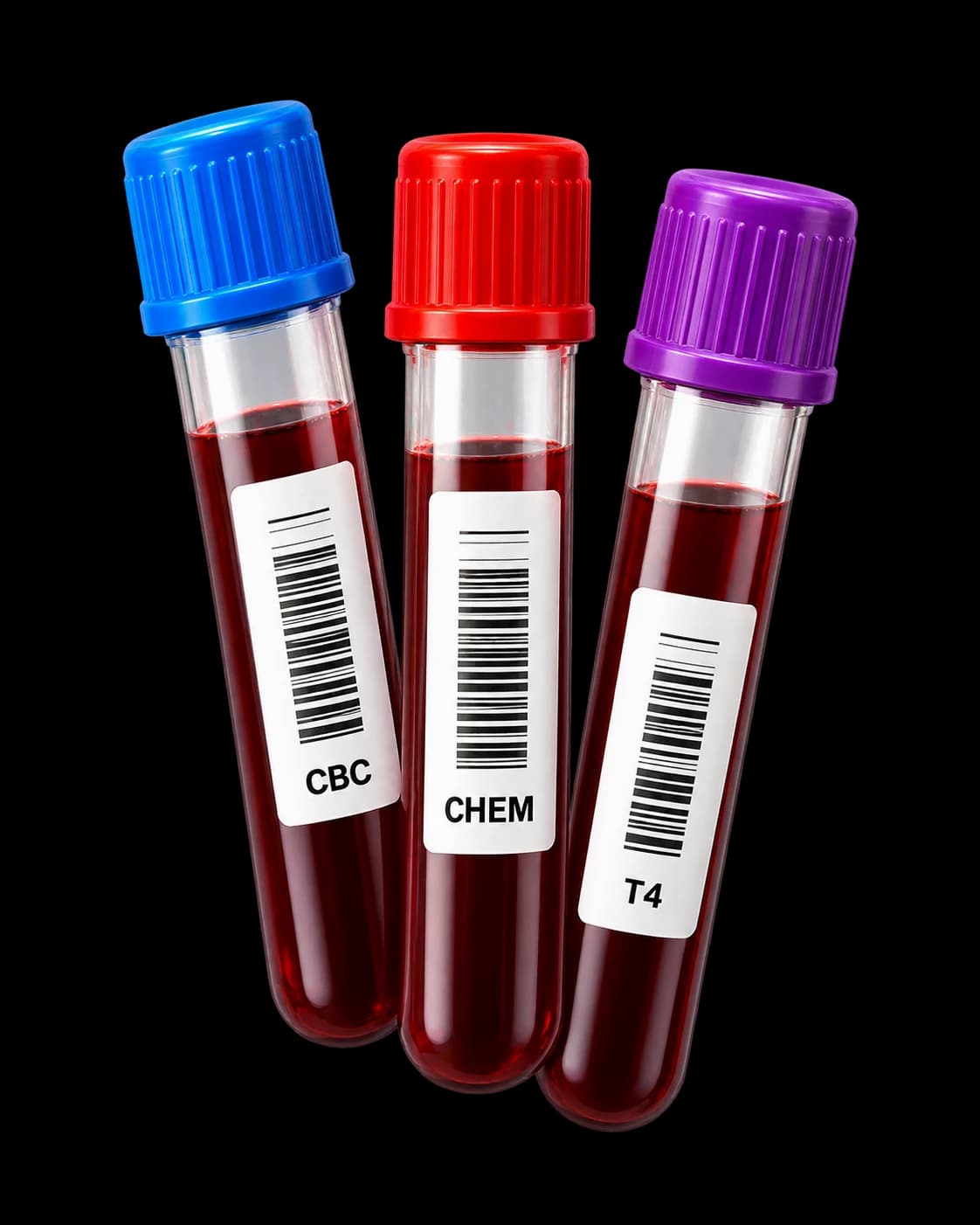
Purpose: Evaluate internal organ function and look for early changes.
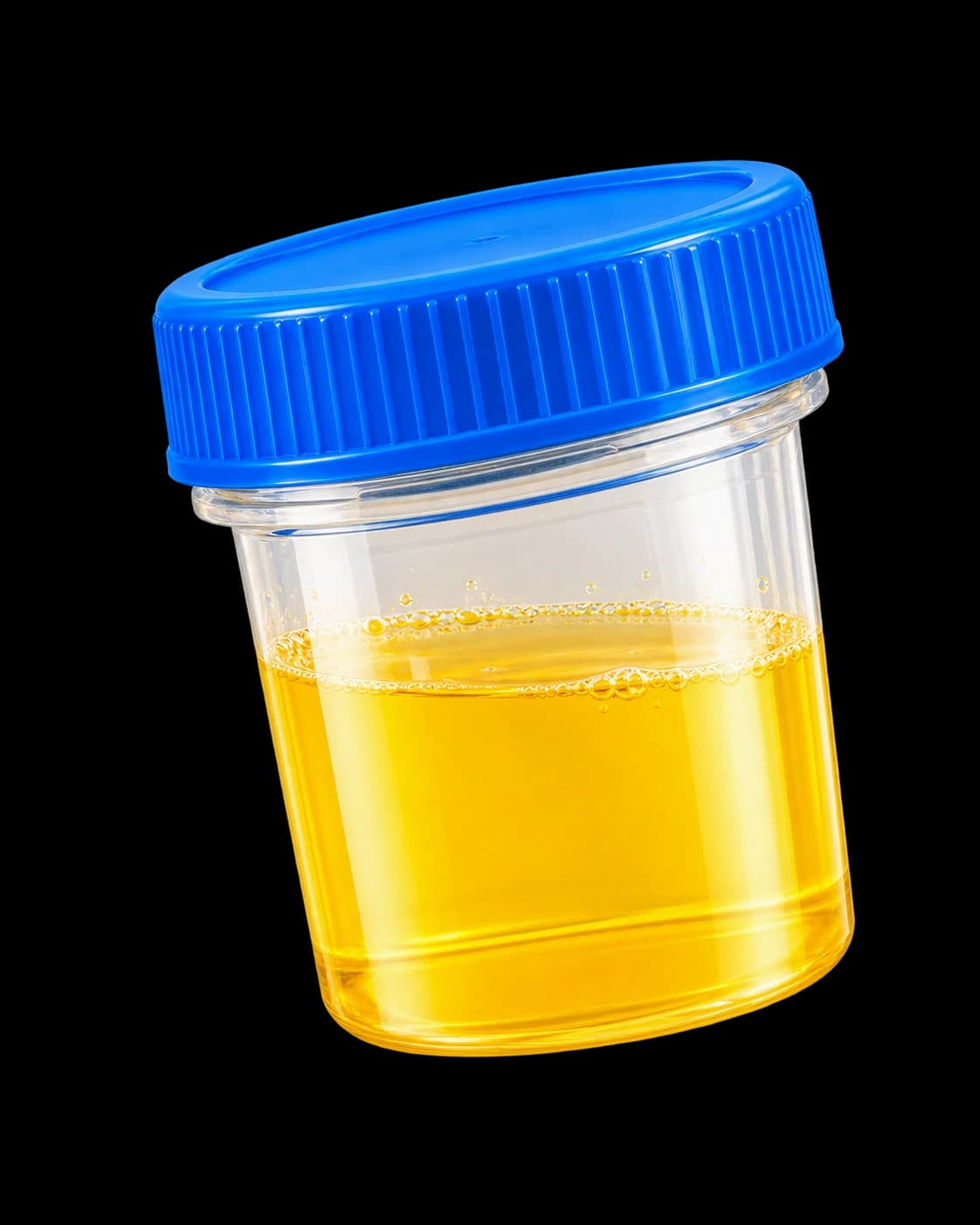
Purpose: Identify infection, inflammation and other common concerns.

Purpose: Support long-term health and better decision making.
Care. Comfort. Compassion. Unleashed.
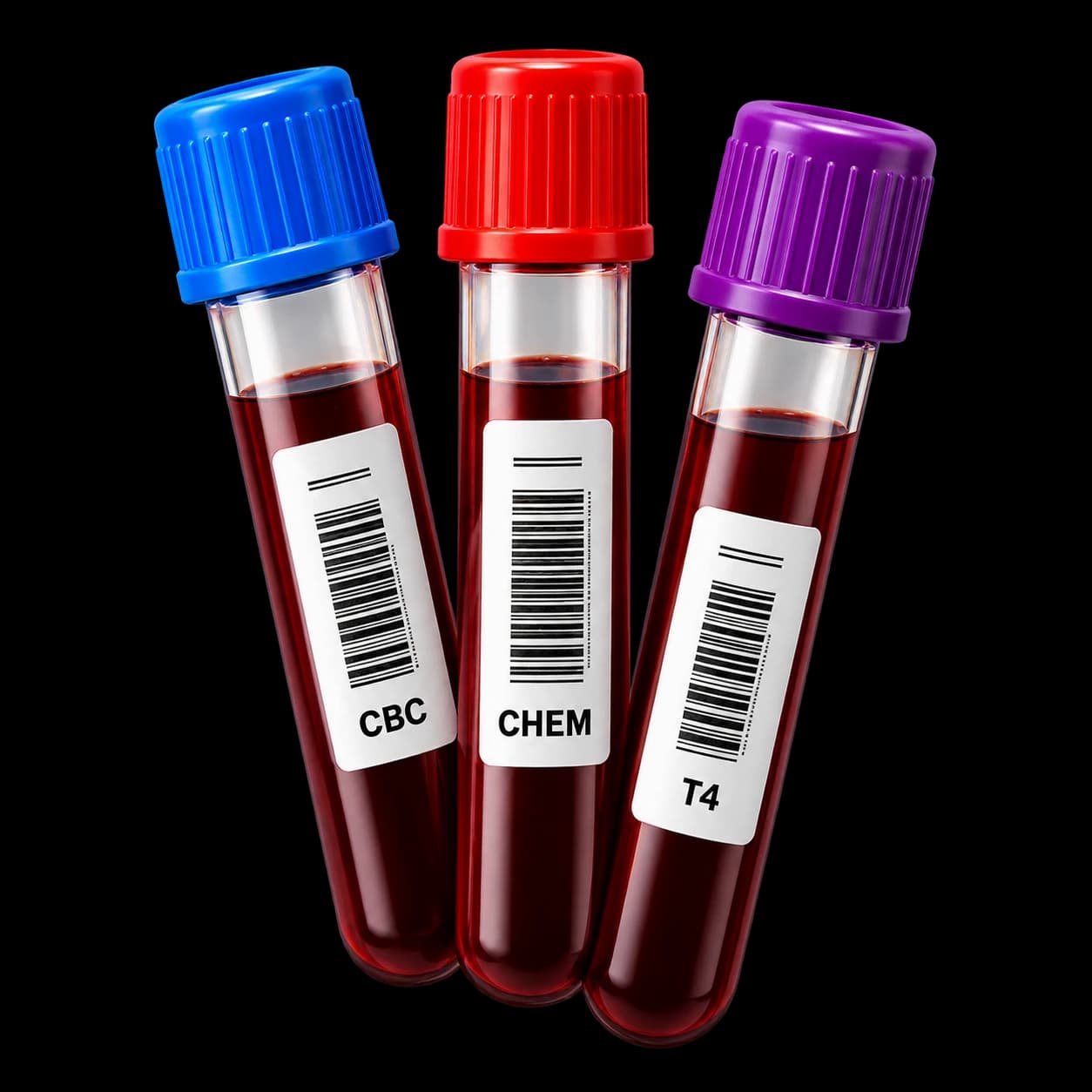
Purpose: Evaluate internal organ function and look for early changes.
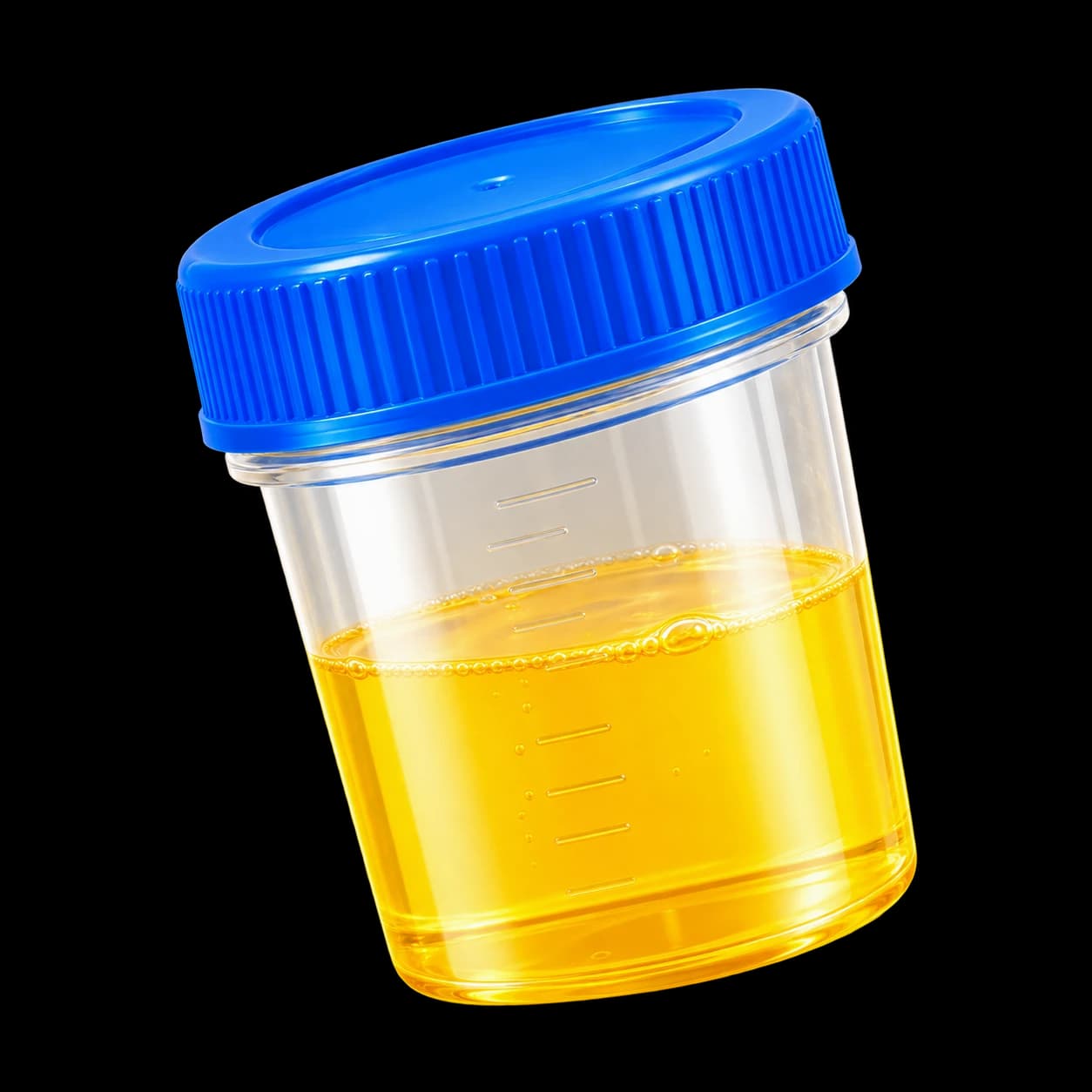
Purpose: Identify infection, inflammation and other common concerns.

Purpose: Support long-term health and better decision making.
Care. Comfort. Compassion. Unleashed.
Diagnostic Services
The exact diagnostic plan depends on the reason for the visit, your pet's condition, and what can be performed safely in the home.
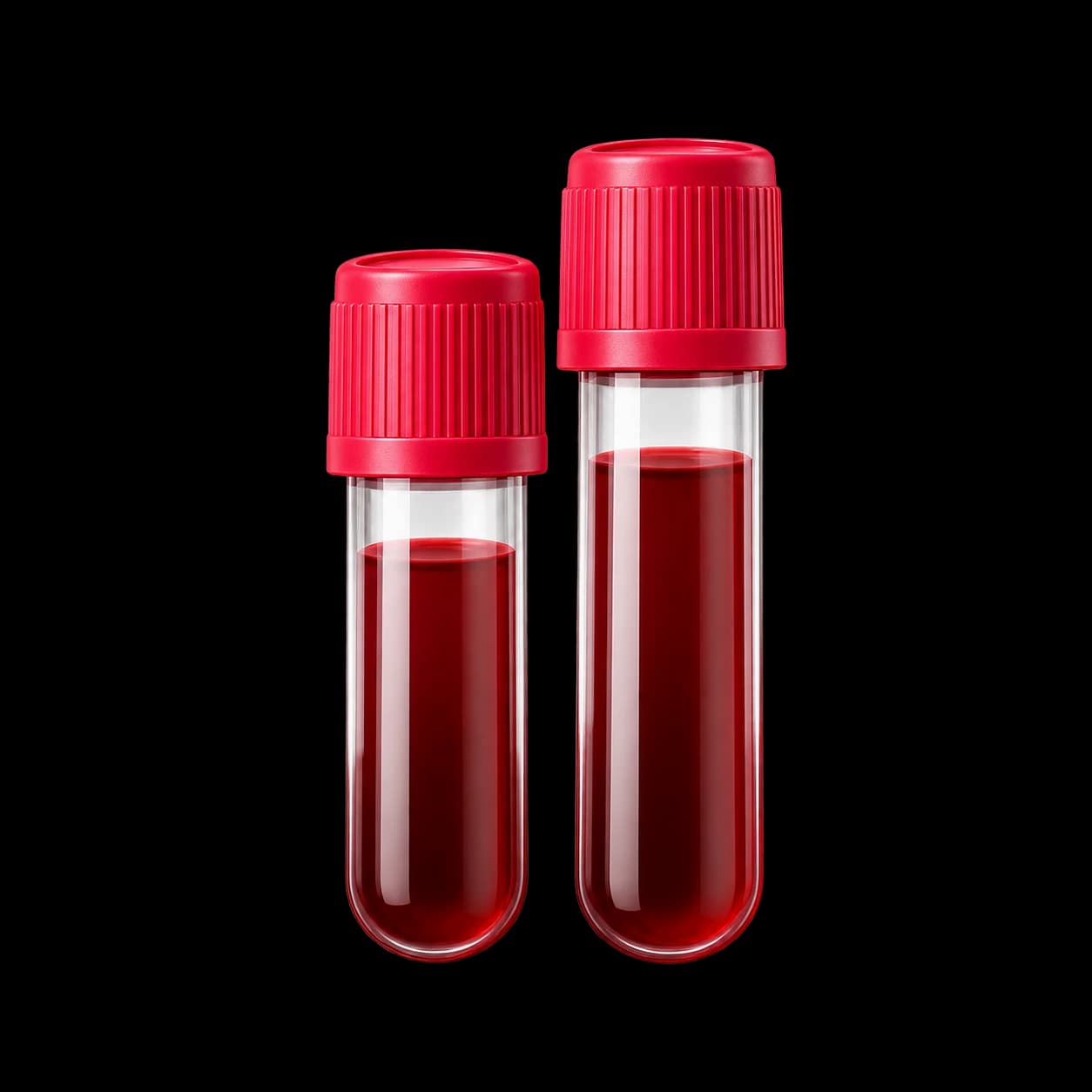
CBC, chemistry, wellness screening, and follow-up testing.
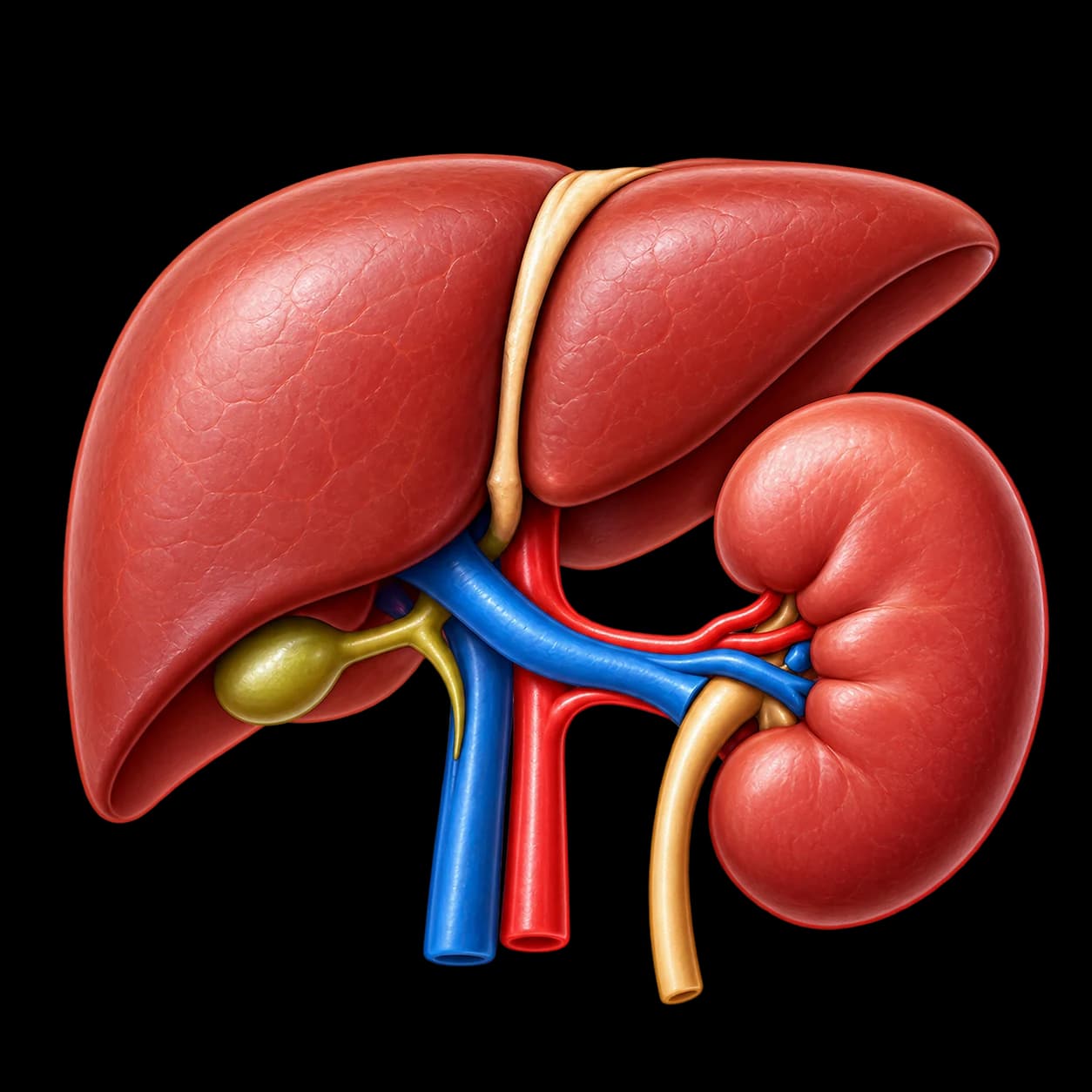
Assess kidney and liver values and track meaningful changes.
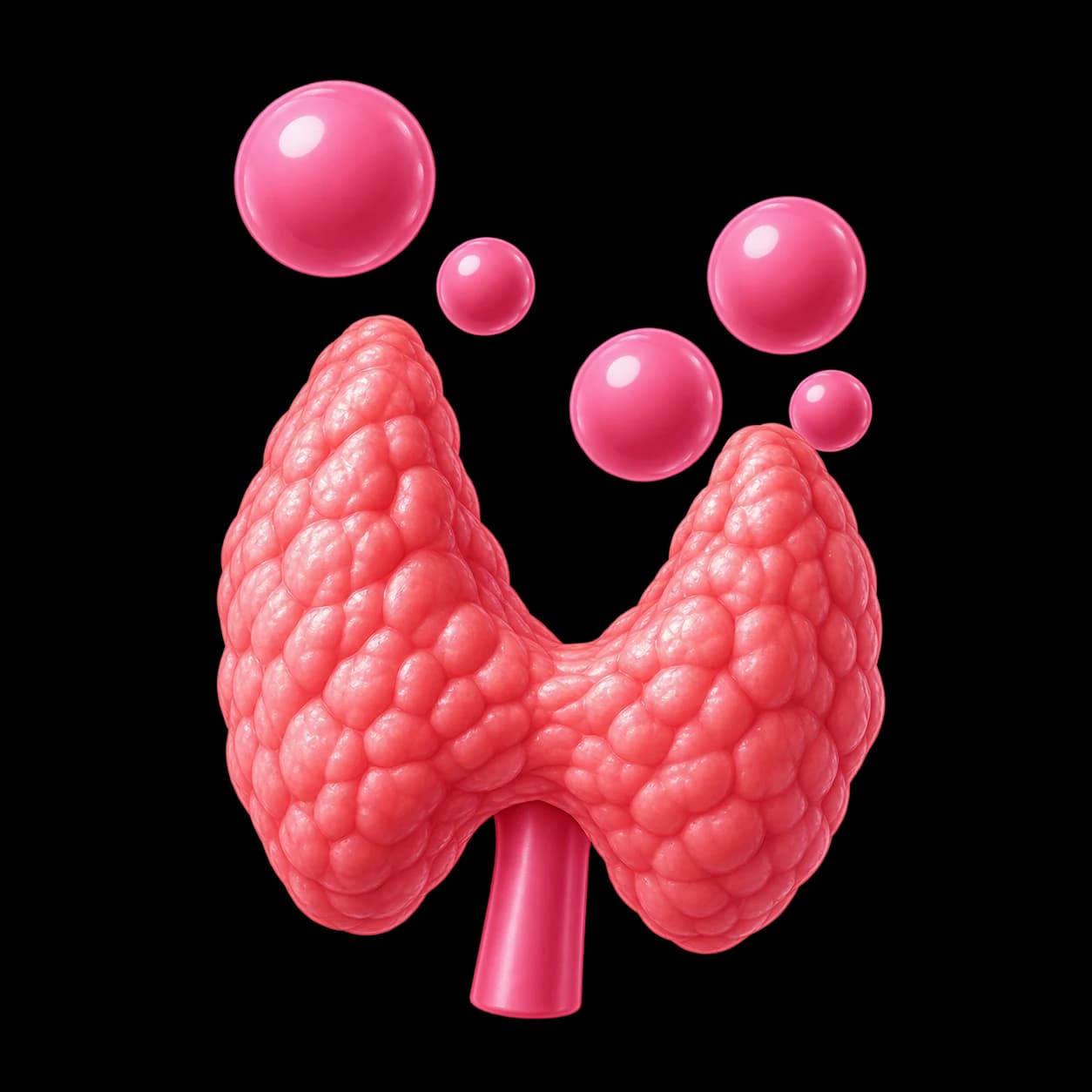
Evaluate or monitor endocrine conditions when appropriate.

Urinary health, hydration, kidney function, and metabolic clues.

Selected fecal screening for gastrointestinal or parasite concerns.
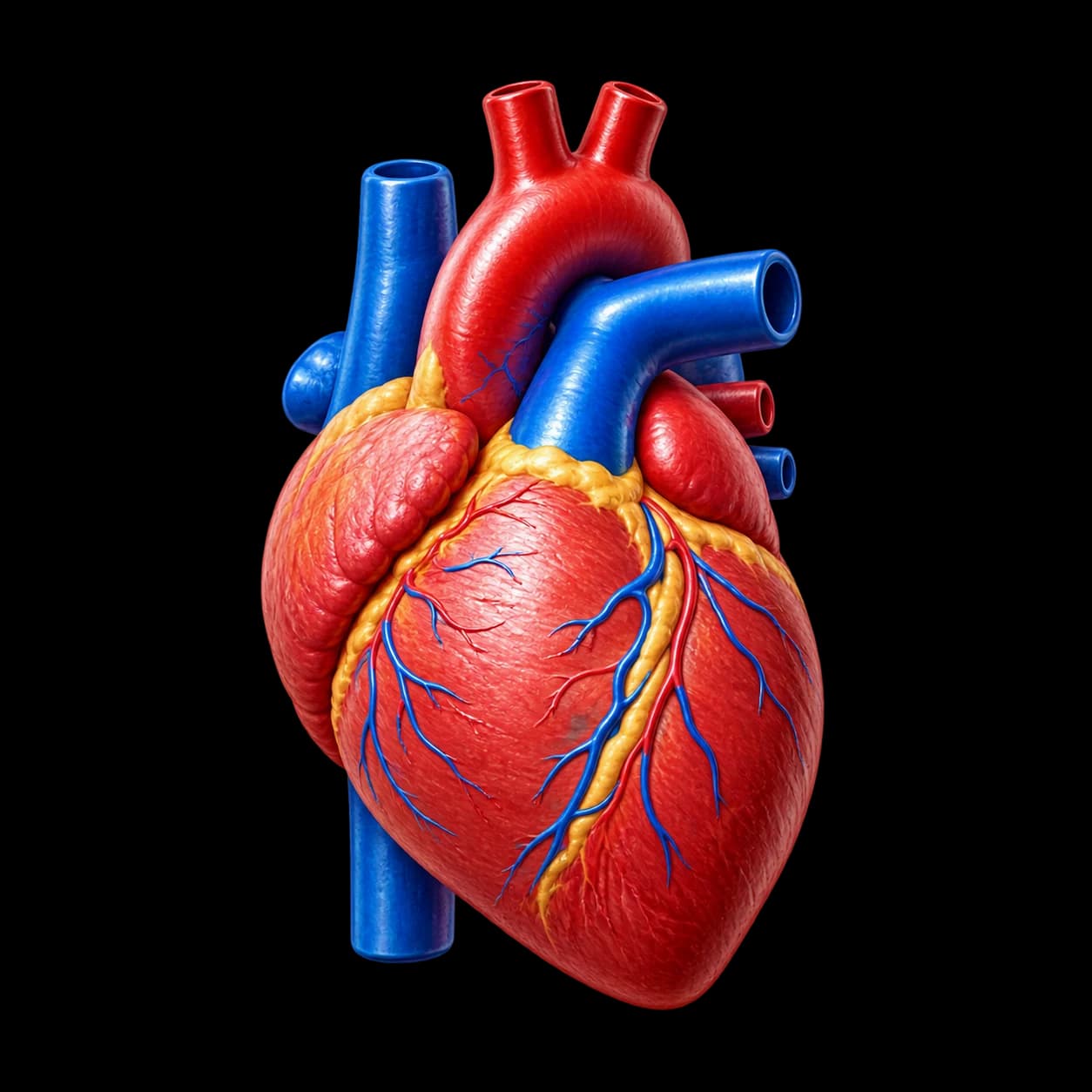
Appropriate testing for preventive or diagnostic care when indicated.
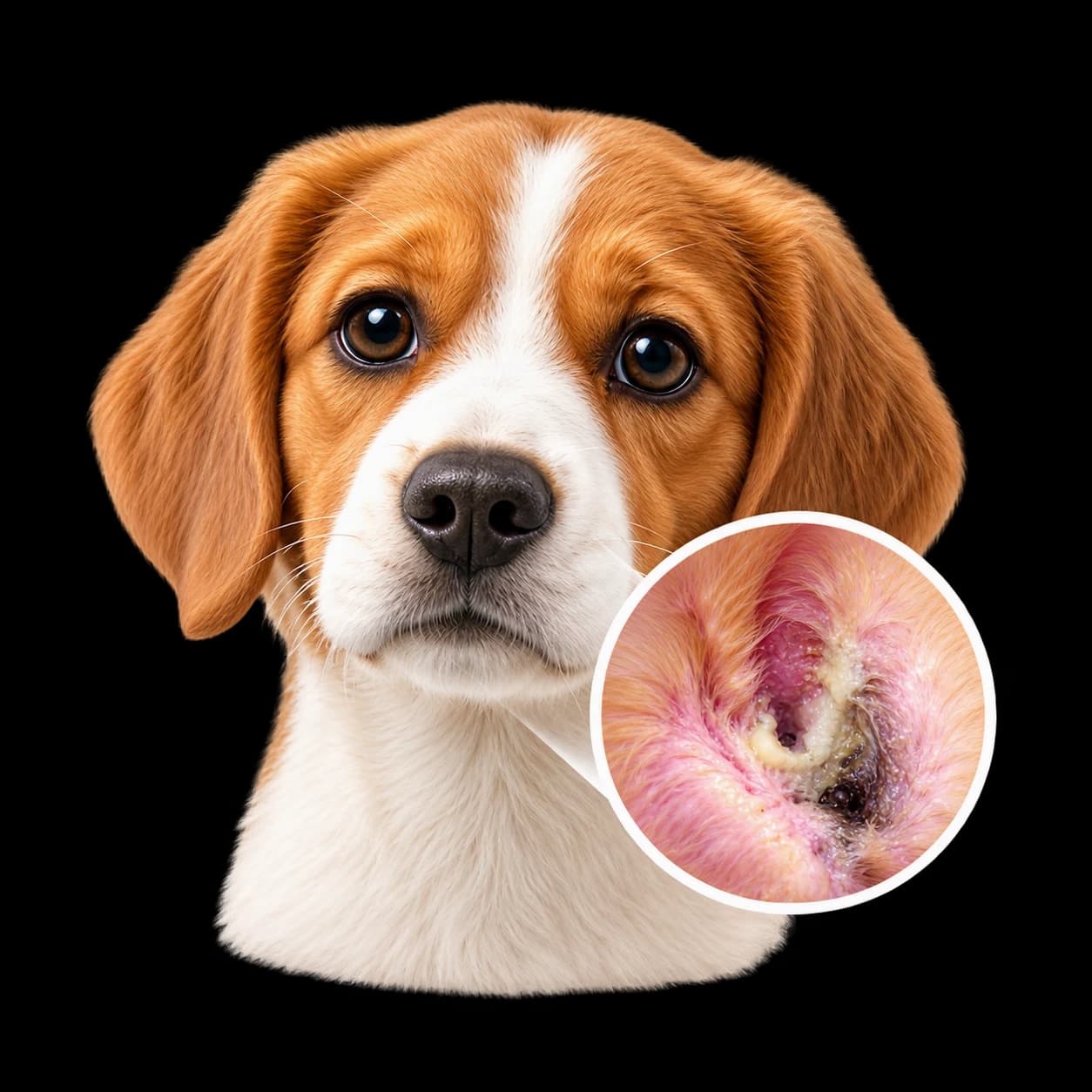
Selected swabs, cytology, scrapings, and related samples.
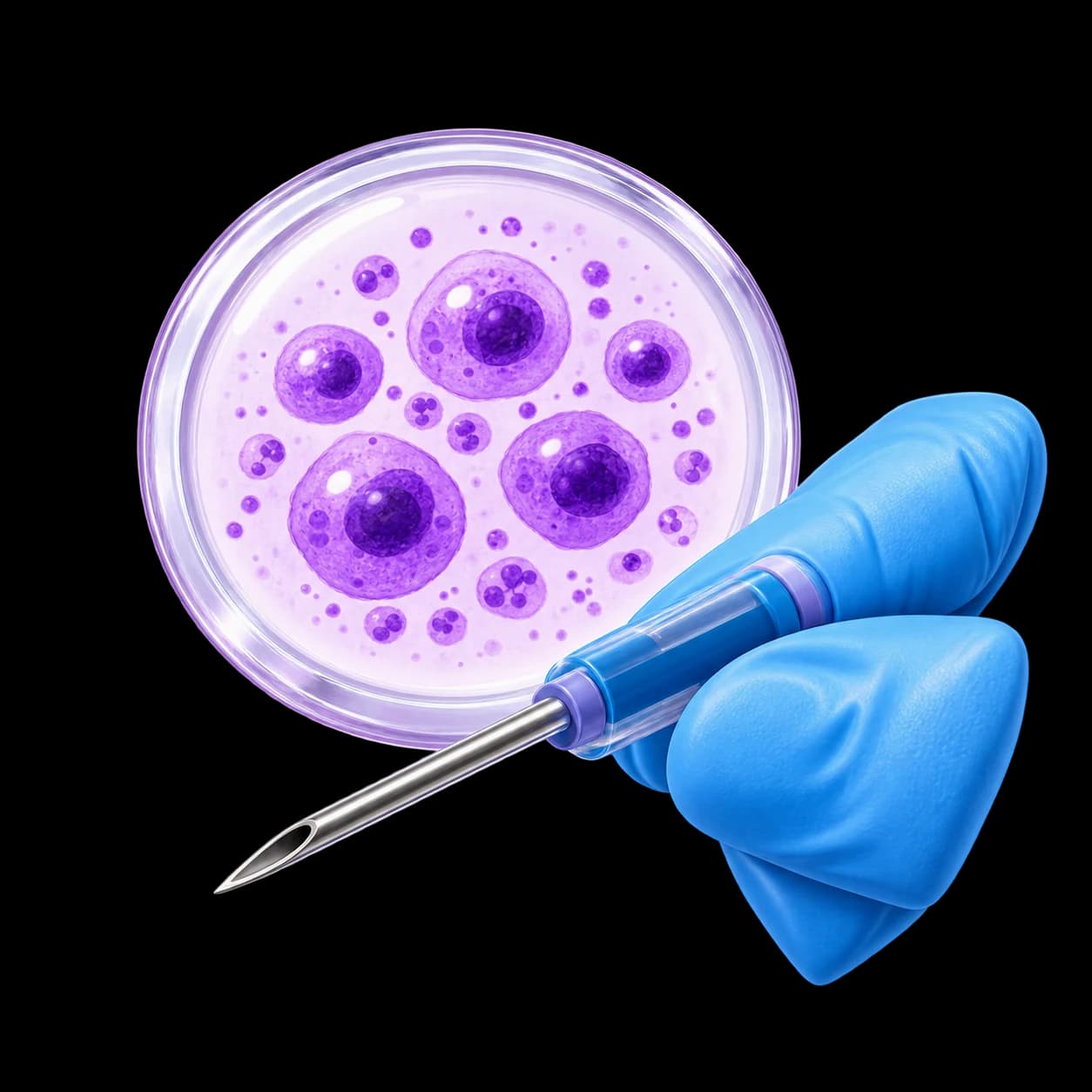
Selected lumps or masses may be suitable for fine-needle sampling.
Some samples may be possible at home when appropriate and safe.
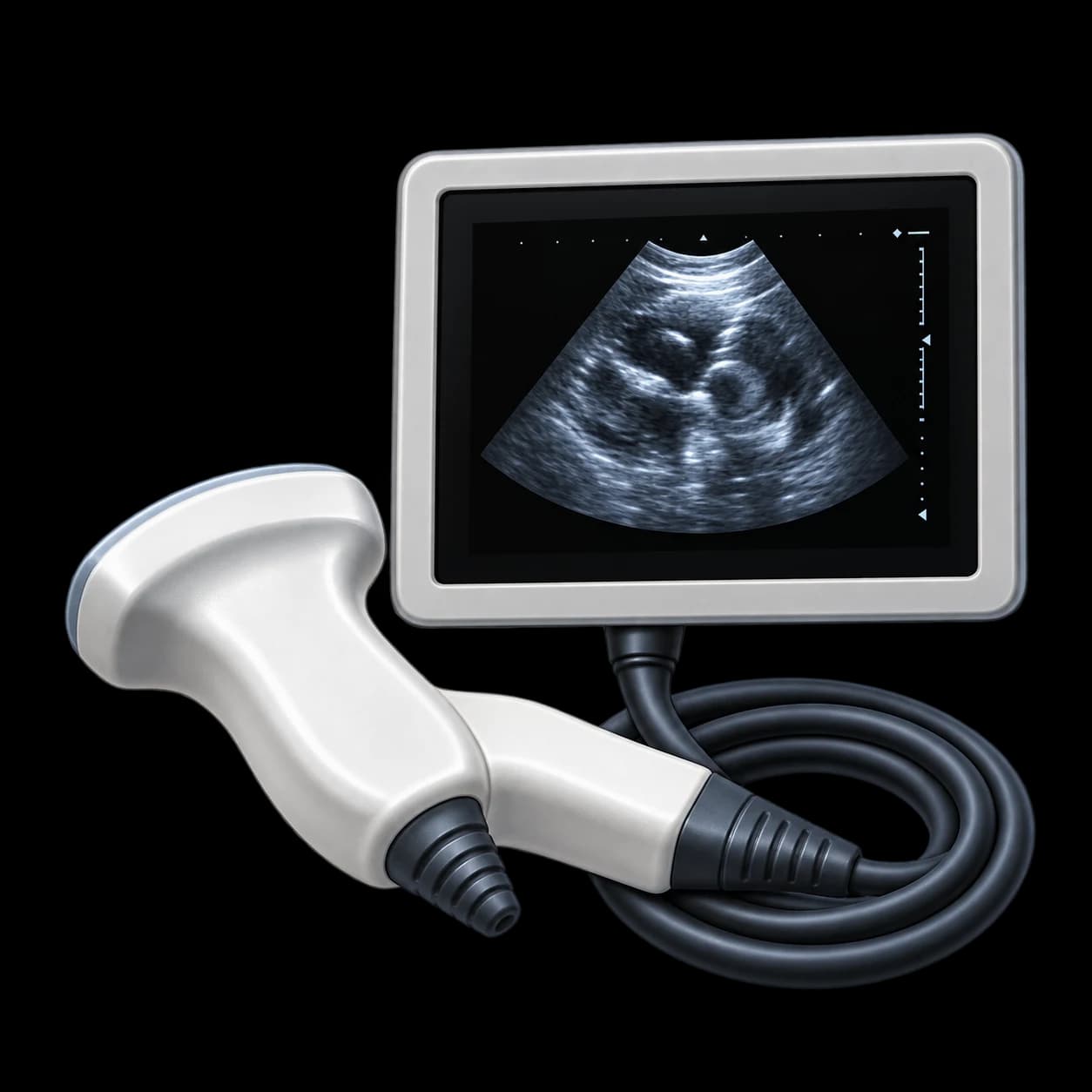
Screening ultrasound may be available for appropriate patients.
Not every service is appropriate for every patient. The safest and most useful diagnostic plan is determined case by case.

Home vs. Hospital
Mobile diagnostics can cover many routine and follow-up needs. But some conditions require advanced equipment, anesthesia, continuous monitoring, emergency resources, or hospital infrastructure.






The goal is not to keep every case at home. The goal is to use home when home is the appropriate place to provide the needed care.
How the Visit Works
A simple, streamlined process designed around your pet's comfort and care.
Book an available in-home appointment and share the reason for testing, current symptoms, and relevant medical information.
The veterinary team reviews history, current concerns, and the diagnostic questions the visit needs to answer.
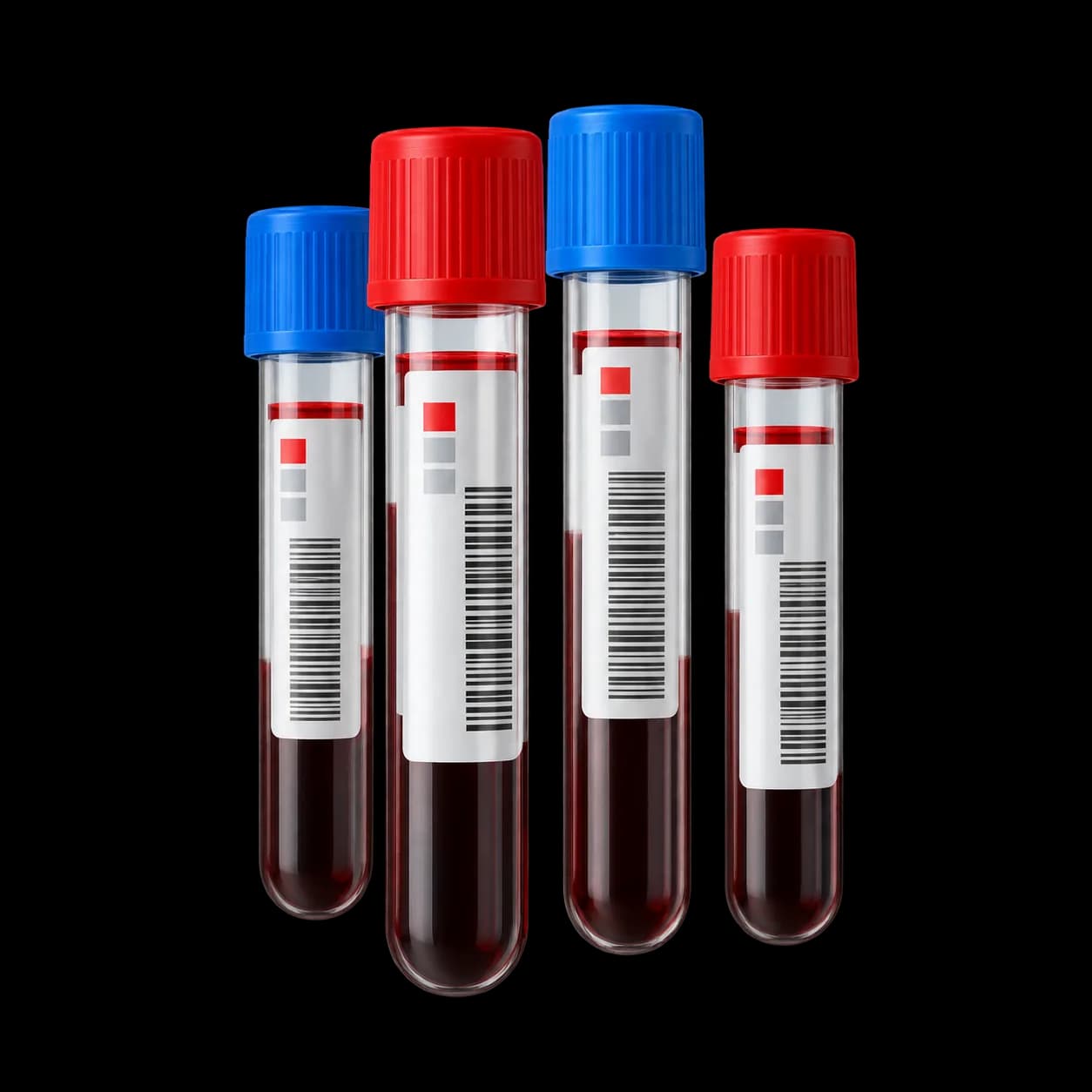
Appropriate blood, urine, stool, skin, ear, cytology, or other samples are collected when clinically suitable.
Samples that need laboratory analysis are submitted through the appropriate veterinary laboratory process.
The veterinarian interprets the findings and discusses treatment, monitoring, additional diagnostics, or referral when appropriate.
Book an available in-home appointment and share the reason for testing, current symptoms, and relevant medical information.
The veterinary team reviews history, current concerns, and the diagnostic questions the visit needs to answer.
Appropriate blood, urine, stool, skin, ear, cytology, or other samples are collected when clinically suitable.
Samples that need laboratory analysis are submitted through the appropriate veterinary laboratory process.
The veterinarian interprets the findings and discusses treatment, monitoring, additional diagnostics, or referral when appropriate.
Many routine laboratory results may be available in approximately 24–72 hours, depending on the test and laboratory. Specialized testing may take longer.
Why Early Detection Matters
Pets cannot tell us that a laboratory value has changed, and some conditions develop quietly before a family sees obvious symptoms. Earlier testing does not guarantee a better outcome, but it can provide information that gives the veterinary team more time to investigate, monitor, and guide the next step.

A change can be investigated before it is automatically assumed to be “just aging” or allowed to progress unnoticed.

When a meaningful change is identified, there may be more opportunity to discuss treatment, nutrition, medication, or monitoring.

Repeat testing can show whether a known condition is stable, improving, or changing over time.

Monitoring may reduce the chance that an important change is first discovered only after a pet becomes significantly unwell.
Chronic Disease Monitoring
A single result is a snapshot. Chronic-care decisions often depend on how the patient and the numbers change over time.
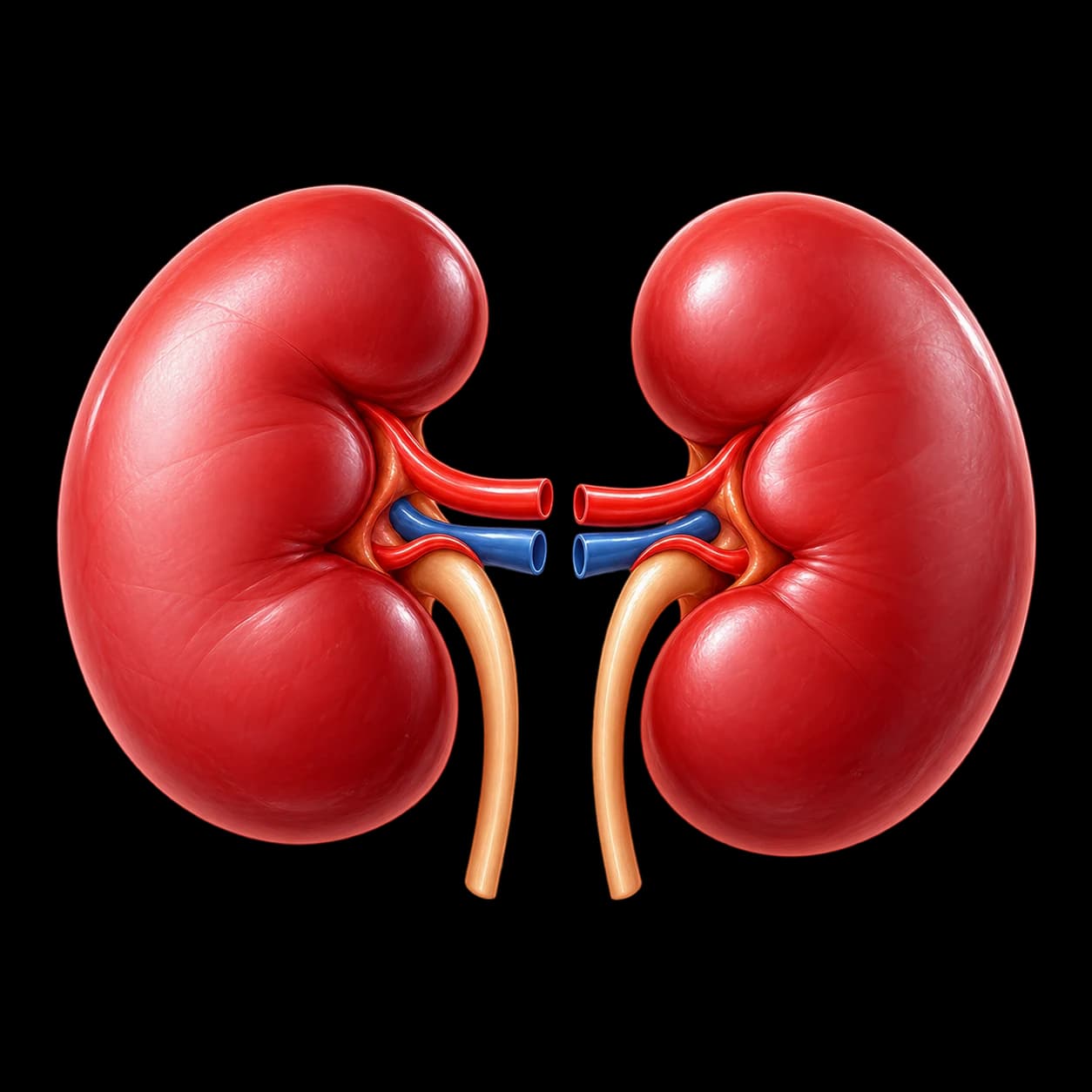
Blood and urine testing can help track kidney-related changes and support discussions about nutrition, hydration, medications, and follow-up.
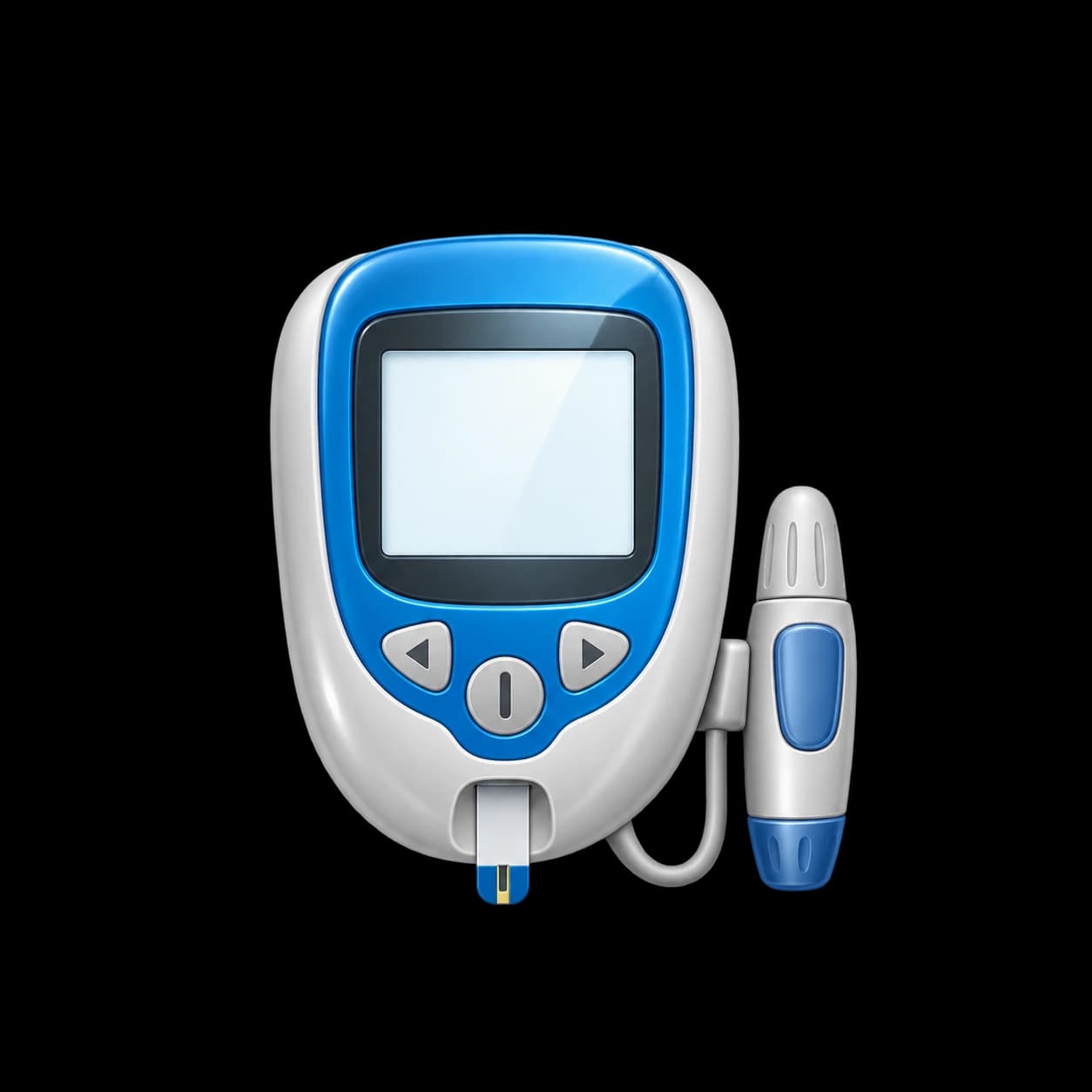
Glucose-related testing and veterinarian-directed monitoring can help evaluate diabetic control and response to the current plan.
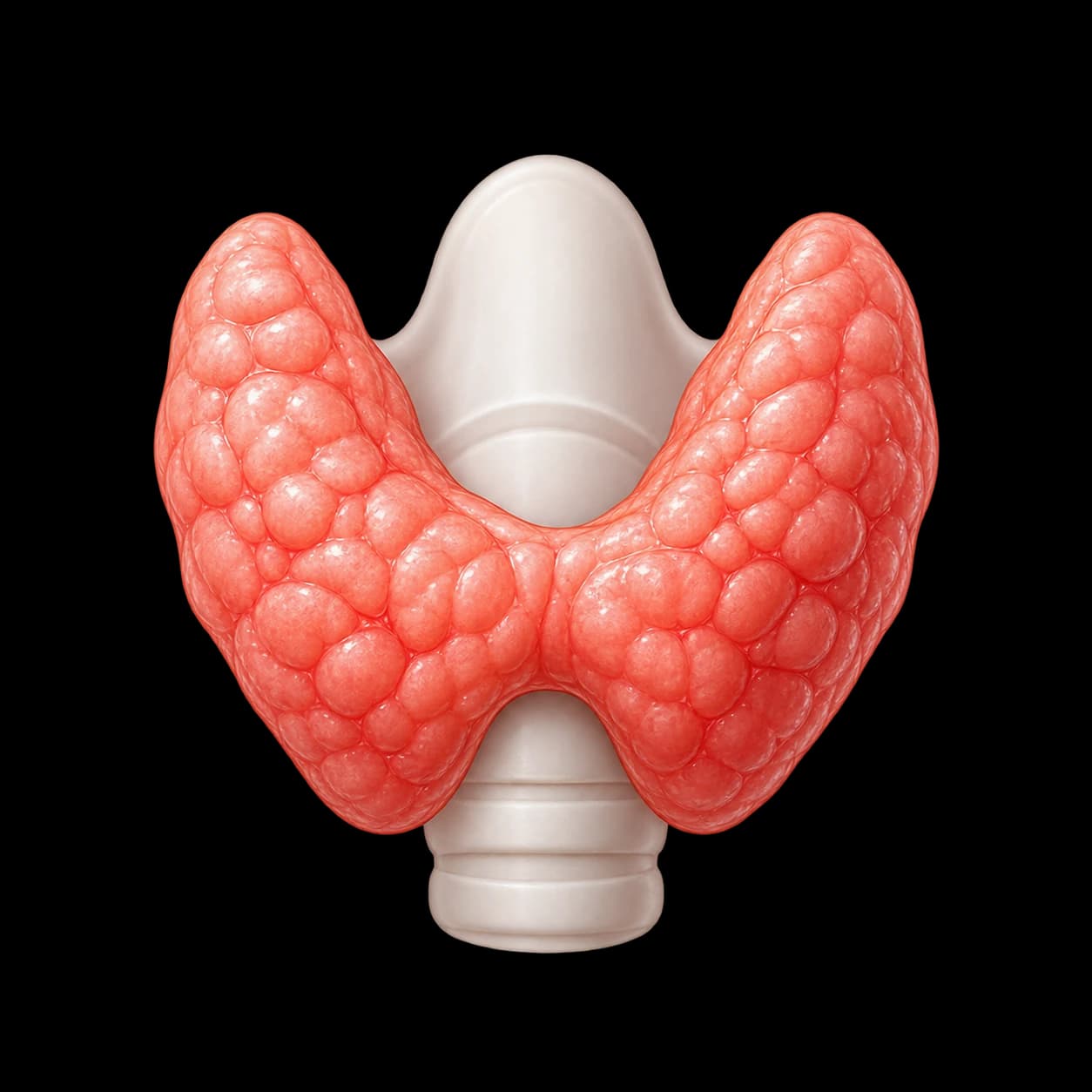
Repeat thyroid-related testing may help assess disease status and response to treatment.

Selected cardiac assessment and resting respiratory-rate tracking may help identify changes that deserve reassessment or additional care.
Good chronic care asks two questions: What is the result today — and how is it different from before?
Common Conditions
At-Home Monitoring
Kidney-related blood work, including veterinarian-selected markers, plus urinalysis
Why It Can Matter
Can help identify and track kidney-related changes and support adjustments to the care plan.
At-Home Monitoring
Glucose-related monitoring and fructosamine when indicated
Why It Can Matter
Helps the veterinarian evaluate overall diabetic control and response to treatment.
At-Home Monitoring
Mobility and comfort assessment in the home
Why It Can Matter
Shows how the pet stands, walks, rests, and uses the environment where daily life occurs.
At-Home Monitoring
Physical assessment, resting respiratory-rate tracking, and selected cardiac monitoring when available
Why It Can Matter
Can help identify changes that deserve reassessment; some cardiac diagnostics still require clinic or specialty equipment.
At-Home Monitoring
Veterinarian-directed thyroid blood testing
Why It Can Matter
Helps assess disease status and response to treatment when interpreted with the patient’s clinical signs.
At-Home Monitoring
Urinalysis and appropriate laboratory screening
Why It Can Matter
May reveal changes that are not obvious from behavior alone and help guide additional testing when needed.
Preferred medical wording: can help identify • supports monitoring • may reveal changes • helps guide decisions • when appropriate.
Comprehensive In-Home Care
Each in-home appointment includes a full evaluation and a personalized plan for your pet's health and well-being.

A thorough in-home examination.

Tailored guidance for your pet’s unique needs.

Help keep your pet healthy and comfortable.

Understand results and create a plan together.
Common questions about in-home testing, sample collection, result timing, monitoring, and when hospital-level care may be more appropriate.
In-home pet diagnostics are veterinary tests and sample-collection services performed in the home to help evaluate or monitor a pet’s health. Depending on the patient, this may include blood work, urinalysis, fecal testing, selected skin or ear samples, chronic-disease monitoring, and other appropriate diagnostic services.
Yes. Blood collection can often be performed during an in-home veterinary visit when it is appropriate for the patient and the requested testing.
Testing may include CBC, chemistry profiles, kidney and liver values, thyroid testing, heartworm screening, and other veterinarian-directed laboratory tests.
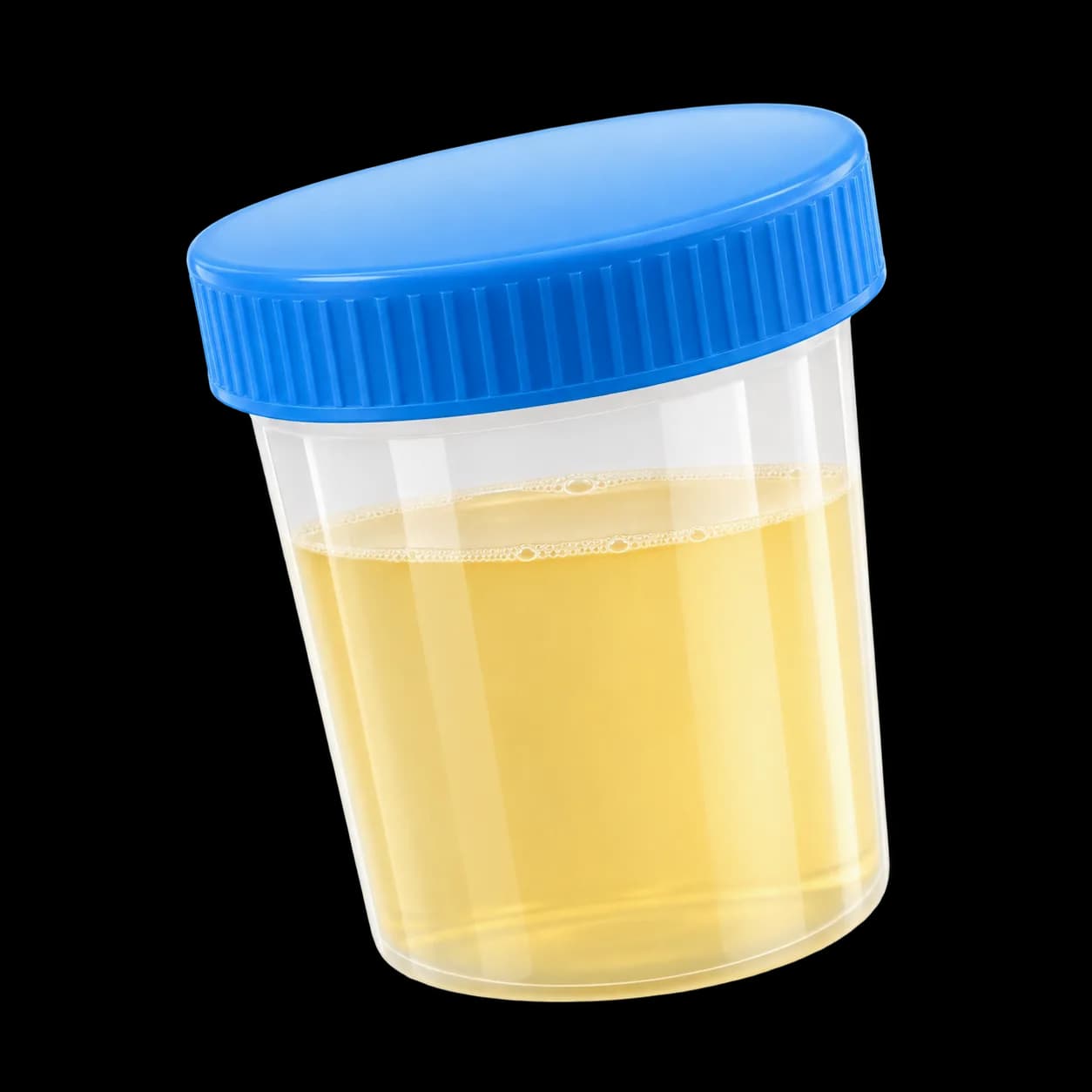
Yes. Appropriate urine and fecal samples can often be collected, received, or submitted as part of an in-home diagnostic plan. The collection method depends on the patient and the test required.
No. Diagnostics may also support wellness screening, medication monitoring, chronic-disease follow-up, preventive care, and senior-pet assessment.
Many aspects of kidney-disease monitoring, including selected blood and urine testing, can be supported through in-home veterinary care when appropriate.
Selected diabetes-related monitoring may be performed or coordinated at home depending on the patient and the veterinarian’s care plan.
Some masses may be appropriate for examination and selected fine-needle sampling in the home. Not every mass, procedure, or patient is suitable for an in-home diagnostic procedure.
Selected screening ultrasound may be available when appropriate. Advanced imaging or procedures may still require a clinic, specialty center, or hospital.
Many routine laboratory results may be available within approximately 24–72 hours, depending on the test and laboratory. Specialized testing may take longer.
The veterinarian interprets the results in the context of the patient’s history, examination, symptoms, medications, and other relevant information. A single abnormal value does not automatically provide a diagnosis.
Many laboratory samples can be appropriately collected at home and processed through veterinary laboratory channels. Some conditions still require advanced imaging, anesthesia, continuous monitoring, emergency resources, or hospital infrastructure.
It can be especially helpful for some senior or mobility-limited pets because it reduces travel and allows the veterinary team to observe the pet in their normal environment.
Vetifaction can explain the findings and discuss the appropriate next step. Depending on the result, that may include treatment, repeat testing, additional diagnostics, referral, or hospital-level evaluation.
Vetifaction provides mobile veterinary care within its Greater Houston service area, including Richmond, Sugar Land, Missouri City, Katy, Rosenberg, Stafford, Fulshear, and Houston. Availability of a specific diagnostic service depends on the patient, location, and current scheduling.
Answers Can Start at Home
Whether you are investigating a new symptom, monitoring a chronic condition, or keeping a closer eye on an aging pet, Vetifaction can help determine which diagnostic steps are appropriate.
Less unnecessary travel. More familiar surroundings. Clear veterinary guidance.